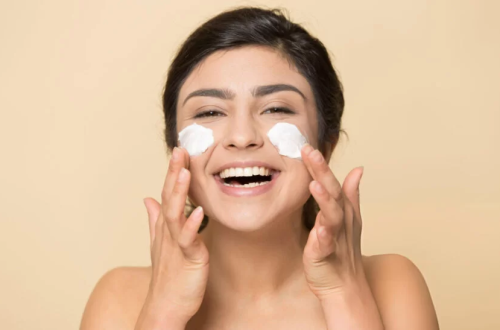
Your skin is your body’s largest organ, acting as a protective barrier against the elements and reflecting your overall health from the inside out. Achieving and maintaining healthy, radiant skin is not solely about genetics or expensive products; it’s a holistic approach involving lifestyle choices, consistent care, and a deep understanding of your skin’s needs. In this comprehensive guide, we’ll explore ten fundamental strategies to nurture your skin, boost its natural vitality, and keep it looking its best for years to come.
1. Master the Art of Hydration: Drink Up for Your Skin
Water is the lifeblood of your skin. Proper hydration from within is crucial for maintaining skin elasticity, plumping up cells, and flushing out toxins that can contribute to dullness and breakouts. Dehydrated skin often appears dry, flaky, and more prone to fine lines and wrinkles.
- Aim for Consistency: Don’t wait until you’re thirsty. Sip water throughout the day. A general guideline is around 8 glasses (64 ounces) per day, but this can vary based on your activity level, climate, and individual needs.
- Infuse Flavor: If plain water is a challenge, add slices of lemon, cucumber, mint, or berries for a refreshing twist. Herbal teas also contribute to your fluid intake.
- Limit Dehydrating Beverages: Excessive consumption of caffeine and alcohol can have a diuretic effect, leading to dehydration. Moderation is key.
2. Nourish Your Skin from Within: The Power of a Balanced Diet
What you eat directly impacts the health and appearance of your skin. A diet rich in antioxidants, vitamins, minerals, and healthy fats can combat inflammation, promote cell regeneration, and protect against environmental damage.
- Antioxidant Powerhouses: Fruits and vegetables like berries, leafy greens, tomatoes, and carrots are packed with antioxidants that fight free radicals, which can accelerate aging.
- Healthy Fats for Barrier Function: Omega-3 fatty acids found in fatty fish (salmon, mackerel), flaxseeds, and walnuts are essential for maintaining the skin’s natural barrier, keeping it moisturized and supple.
- Vitamins for Repair and Protection: Vitamin C aids in collagen production and skin repair, while Vitamin E acts as an antioxidant. Zinc is crucial for wound healing and reducing inflammation.
- Limit Processed Foods and Sugar: High sugar intake can lead to glycation, a process that damages collagen and elastin, contributing to premature aging. Processed foods often contain unhealthy fats and additives that can promote inflammation.
3. Embrace a Gentle Cleansing Routine: The Foundation of Healthy Skin
Cleansing is the first step in any skincare routine. It removes dirt, oil, makeup, and pollutants that can clog pores and lead to breakouts. However, harsh cleansing can strip the skin of its natural oils, leading to dryness and irritation.
- Choose Wisely: Opt for a gentle, sulfate-free cleanser suitable for your skin type. Look for ingredients like glycerin or ceramides that help retain moisture.
- Mind the Temperature: Use lukewarm water, not hot. Hot water can strip the skin of its natural oils and exacerbate dryness.
- Don’t Over-Cleanse: Cleansing twice a day (morning and night) is usually sufficient. Over-washing can disrupt the skin’s natural balance.
- The Importance of Makeup Removal: Always remove makeup thoroughly before cleansing to prevent pore blockages and skin irritation. You can find effective makeup removers and learn more about how to remove facial makeup at lakchi.com.
4. The Non-Negotiable: Daily Sun Protection
Sun damage is a primary driver of premature aging, including wrinkles, fine lines, age spots, and loss of elasticity. It also significantly increases the risk of skin cancer. Daily sun protection is not optional; it’s essential.
- Broad-Spectrum SPF: Use a broad-spectrum sunscreen with an SPF of 30 or higher every single day, even on cloudy days. Broad-spectrum means it protects against both UVA (aging) and UVB (burning) rays.
- Apply Generously: Apply sunscreen generously to all exposed skin at least 15-20 minutes before sun exposure.
- Reapply Regularly: Reapply sunscreen every two hours, especially if you’re sweating or swimming.
- Seek Shade and Wear Protective Clothing: In addition to sunscreen, wear wide-brimmed hats, sunglasses, and protective clothing when spending extended time outdoors.
5. The Power of Exfoliation: Unveiling Fresh Skin
Exfoliation removes dead skin cells that can accumulate on the skin’s surface, leading to a dull complexion and clogged pores. Regular exfoliation reveals brighter, smoother, and more radiant skin.
- Chemical vs. Physical:
- Chemical exfoliants use acids (like AHAs – glycolic and lactic acid, or BHAs – salicylic acid) to dissolve the bonds between dead skin cells. They are often gentler and more effective for certain skin concerns.
- Physical exfoliants use granular particles (like sugar, jojoba beads, or fine powders) to manually slough off dead skin cells. Be cautious with harsh physical scrubs that can cause micro-tears in the skin.
- Frequency Matters: Over-exfoliation can damage the skin barrier, leading to redness, sensitivity, and breakouts. Start with 1-2 times per week and adjust based on your skin’s tolerance.
- Listen to Your Skin: If your skin feels sensitive or irritated, reduce the frequency of exfoliation or switch to a milder product.
6. Moisturize, Moisturize, Moisturize: Sealing in Hydration
After cleansing and exfoliating, applying a moisturizer is crucial to lock in hydration and support the skin’s natural barrier function. Even oily skin needs moisturizing.
- Choose Based on Skin Type:
- Oily/Acne-Prone: Opt for lightweight, oil-free, non-comedogenic lotions or gels.
- Dry/Mature: Richer creams with ingredients like ceramides, hyaluronic acid, shea butter, or glycerin are beneficial.
- Sensitive: Look for fragrance-free, hypoallergenic formulas with soothing ingredients like aloe vera or chamomile.
- Apply to Damp Skin: Applying moisturizer to slightly damp skin helps to trap more moisture.
- Don’t Forget the Neck and Chest: These areas also show signs of aging and deserve regular moisturizing.
7. The Magic of Sleep: Your Skin’s Overnight Repair Service
While you sleep, your body, including your skin, undergoes a crucial repair and regeneration process. Insufficient sleep can lead to dullness, dark circles, increased inflammation, and accelerated aging.
- Aim for 7-9 Hours: Prioritize getting adequate sleep each night.
- Create a Relaxing Bedtime Routine: This can include a warm bath, reading, or gentle stretching to help you wind down.
- Clean Pillowcases: Change your pillowcases regularly to prevent the buildup of bacteria and oils that can transfer to your skin.
8. Manage Stress: The Mind-Skin Connection
Chronic stress can wreak havoc on your skin, triggering breakouts, exacerbating conditions like acne and eczema, and accelerating the aging process. Finding healthy ways to manage stress is vital for overall well-being and skin health.
- Mindfulness and Meditation: Practices like deep breathing exercises, meditation, or yoga can help calm the nervous system.
- Regular Exercise: Physical activity is a great stress reliever and promotes healthy blood circulation, which benefits the skin.
- Hobbies and Social Connection: Engaging in activities you enjoy and spending time with loved ones can significantly reduce stress levels.
9. Avoid Touching Your Face: Minimize Germ Transfer
Our hands come into contact with countless surfaces throughout the day, picking up bacteria, viruses, and dirt. Touching your face frequently can transfer these contaminants to your skin, leading to clogged pores, breakouts, and infections.
- Be Mindful: Make a conscious effort to avoid touching your face, especially your T-zone (forehead, nose, and chin).
- Wash Your Hands: Wash your hands thoroughly with soap and water, especially before touching your face, applying skincare products, or removing makeup.
10. Consistency is Key: The Long-Term Commitment
Achieving and maintaining healthy skin is not about quick fixes or sporadic efforts; it’s a long-term commitment. Consistency in your skincare routine, healthy lifestyle choices, and a mindful approach to sun protection will yield the most significant and lasting results.
- Develop a Routine: Establish a simple yet effective skincare routine that you can stick to daily.
- Be Patient: It takes time for skincare products and lifestyle changes to show noticeable results. Don’t get discouraged if you don’t see immediate improvements.
- Consult a Professional: For personalized advice and treatment of specific skin concerns, consult a dermatologist or a qualified skincare professional.
By incorporating these ten essential strategies into your daily life, you can nurture your skin’s health, enhance its natural radiance, and enjoy a clear, vibrant complexion that truly glows from within.