A lot of public spaces still treat accessibility like a patch job. A building goes up first. Problems get noticed later. Then someone adds a ramp near the back door or squeezes in one accessible restroom stall and calls it progress.
That approach creates frustration for millions of people every day.
Accessibility works better when it starts at the beginning. It should be part of the blueprint, not an emergency fix after complaints arrive.
The numbers explain why this matters. According to the Centers for Disease Control and Prevention, more than 70 million adults in the United States live with some form of disability. That is roughly one in four Americans. The World Health Organization estimates that over 1.3 billion people worldwide live with significant disabilities.
That is not a small group. That is a huge part of the population trying to move through schools, airports, sidewalks, stadiums, stores, and government buildings.
When accessibility is ignored, basic tasks become exhausting obstacle courses.
Accessibility Problems Show Up Everywhere
Think about how many things people do in public spaces every week.
They ride buses. They go to concerts. They walk into coffee shops. They attend school events. They use restrooms in airports. They park in garages. They navigate crowded sidewalks.
Now imagine trying to do those things when the elevator is broken, the curb cut is missing, the signage makes no sense, or the seating area blocks wheelchair access.
Those problems are common.
The Americans with Disabilities Act became law in 1990. That was more than three decades ago. Yet many public spaces still fail accessibility checks today.
A 2023 survey by the National Organization on Disability found that many Americans with disabilities still face barriers in transportation, public buildings, and entertainment venues. Problems included narrow entrances, poor restroom access, steep ramps, blocked pathways, and confusing layouts.
Bad design creates stress fast.
Good design disappears into the background. People move through spaces smoothly without thinking about it.
That is the goal.
The Michigan Stadium Case Changed How People Think About Access
One major example came from Michigan Stadium.
The stadium renovation project faced criticism because accessibility needs were not fully addressed during planning. The case eventually led to a major agreement that expanded wheelchair seating, improved parking access, added accessible routes, and upgraded restrooms and concessions.
The improvements became a national example for large public venues.
Richard Bernstein Michigan was part of the legal work connected to that effort. The case showed something important. Accessibility is easier and cheaper when it is built into the project early.
Retrofitting giant structures later costs more money and creates more delays.
Nobody wants construction crews ripping apart new concrete because planners skipped accessibility details the first time.
Accessibility Helps More People Than Most Realize
Many people hear the word accessibility and think only about wheelchairs.
That is too narrow.
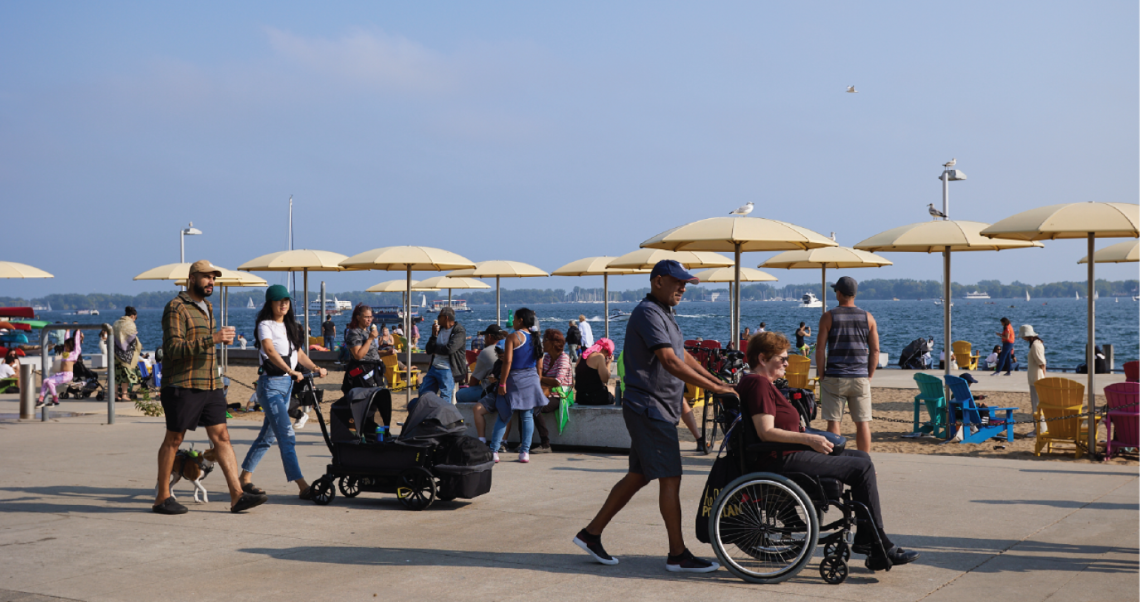
Parents pushing strollers use ramps every day. Travelers carrying luggage use elevators. Seniors benefit from handrails and wider walkways. People recovering from injuries rely on accessible parking and entrances.
Even clear signs help everyone move faster through crowded spaces.
Good accessibility improves traffic flow and reduces confusion.
Some cities learned this quickly after redesigning sidewalks and transit stations. Better curb cuts and smoother pathways helped delivery workers, cyclists, families, and older adults at the same time.
One design choice can help thousands of people.
That is smart planning.
Small Design Choices Create Big Problems
Tiny mistakes can ruin an otherwise useful space.
A heavy door with no automatic opener can stop someone from entering a building independently. A steep ramp can become dangerous in rain or snow. A restroom stall that is technically compliant but impossible to maneuver inside creates another barrier.
These issues sound small until they happen repeatedly.
People notice them immediately.
One accessibility consultant described visiting a newly renovated restaurant where the accessible restroom was located downstairs with no elevator access.
The owners spent thousands redesigning the dining room. They forgot the bathroom.
That mistake turned into negative reviews, complaints, and extra renovation costs later.
Planning matters.
Technology Is Changing Accessibility Design
New tools are helping architects and planners test accessibility earlier in projects.
Some firms now use 3D building simulations to evaluate pathways and spacing before construction starts. Transit systems are adding audio guidance systems and better navigation tools for blind and low-vision passengers.
Smart traffic signals in some cities now allow pedestrians more crossing time automatically.
Airports are testing navigation systems that help travelers move independently through terminals.
These ideas improve speed and usability for everyone.
The best part is that accessibility-focused design often sparks better innovation overall.
Constraints force smarter thinking.
Accessibility Should Be Part of Every Planning Meeting
Accessibility discussions should happen during the first planning session. Not after construction. Not after lawsuits. Not after frustrated visitors post photos online.
Project teams should include accessibility experts early.
Architects should test routes personally. Walk the building. Ride the elevators. Sit in the seating areas. Use the entrances.
Public feedback matters too.
People with disabilities often spot problems immediately because they deal with these issues every day.
Ignoring that input creates expensive mistakes.
Actionable Ways Cities and Businesses Can Improve Accessibility
There are practical steps organizations can take right now.
Audit Existing Spaces
Walk through buildings and public areas with accessibility specialists. Check entrances, parking, restrooms, seating, and pathways.
Do not rely only on paperwork.
Test the space in real conditions.
Include Accessibility in Budgets Early
Accessibility should not be a last-minute line item.
Adding features during early construction costs far less than rebuilding spaces later.
Improve Signage
Clear signs reduce confusion fast.
Use large text. Strong contrast. Logical placement. Consistent directions.
Bad signage wastes time for everyone.
Design Wider Pathways
Crowded walkways create problems in stadiums, schools, and airports.
Wider routes improve movement and safety.
Train Staff
Employees should understand accessibility basics.
Simple awareness training helps staff respond faster and more respectfully when people need assistance.
Ask Better Questions
Instead of asking, “Does this meet minimum code?” planners should ask, “Can people move through this space comfortably and independently?”
That shift changes everything.
Accessibility Is About Independence
Most people want the same thing when they enter a public space.
They want to move freely. They want to feel comfortable. They want to participate without extra stress.
Accessibility supports that independence.
It is not about special treatment. It is about removing barriers that should not exist in the first place.
Public spaces shape daily life. People spend years inside schools, offices, transit systems, stadiums, parks, and stores.
Those places should work for everyone.
The best public spaces do not force people to fight their environment.
They let people focus on living their lives instead.