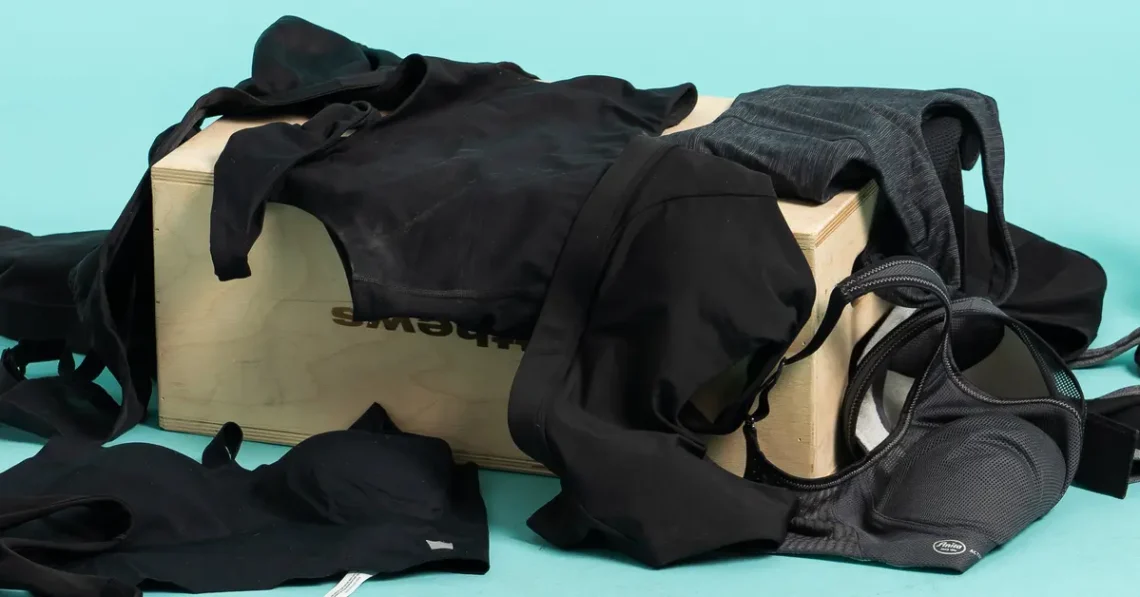
You pull your favorite workout shirt from the drawer. The funk remains, even after a heavy wash. You start researching how to get odor out of gym clothes. But your washing machine may not be the issue. The truth about stubborn smell lies in the fibers themselves.
We’ll compare fabrics, explain why synthetics betray you, and clear up the biggest misconceptions.
Comparison Table
Before we dive in, many men switching to organic cotton shirts men notice the difference immediately. Here’s how common gym fabrics stack up after real-world use.
| Fabric | Odor Retention After 20 Washes | Breathability | Chemical Treatments |
|---|---|---|---|
| Polyester | Very high – reeks even after stripping | Low – traps heat and sweat | Often coated with antimicrobials |
| Recycled polyester | Very high – same permanent stink | Low | Surface treatments, same pitfalls |
| Bamboo viscose | Moderate – can hold residual smell | High | Heavy chemical processing |
| Conventional cotton | Low – most odor washes out | High | Pesticides, synthetic finishing agents |
| GOTS organic cotton | Very low – virtually odor-free | High | No synthetic chemicals, no toxic finishes |
The table exposes a clear loser: synthetics. But why do they fail so completely?
Why Synthetic Fibers Hold Odor Permanently
Polyester and nylon are plastic. They come from petroleum. These fibers are oleophilic – they love oil. Your body oils, sweat, and skin cells stick to them at a molecular level. When you wash, water and detergent slide off the slick surface. The oily grime stays trapped.
Bacteria feast on that trapped organic matter. They multiply and produce the foul-smelling compounds you can’t escape. Hot water, vinegar soaks, and enzyme cleaners rarely penetrate deep enough. The stench lives inside the fiber.
Natural fibers like GOTS organic cotton behave differently. Cotton absorbs moisture into its core and releases it when washed. Oils don’t bond permanently. Bacteria and their waste flush out with regular laundering. That’s why men’s organic cotton underwear stays fresher than synthetic equivalents across dozens of wear-wash cycles.
You also dodge microplastic shedding. When you wash polyester, tiny plastic fibers slough off and drain into waterways. The odor problem and the pollution problem share a root cause: synthetic plastic fibers. Choosing natural fibers ends both.
Researchers call this polyester odor retention. Studies suggest the bacteria that thrive on synthetic fibers produce the strongest-smelling compounds. Cotton hosts different bacteria that generate milder odor. That is why the cotton vs polyester smell gap widens with every wash.
Choosing the Best Fabric for Gym Clothes
The best fabric for gym clothes does three jobs. It breathes during hard efforts. It releases oils and bacteria in the wash. And it skips the chemical coatings that fade after a few cycles. GOTS organic cotton hits all three. Synthetics hit the first one at best, and only until their treatments wash out.
Look for GOTS certification on the label. It verifies the cotton grew without toxic pesticides. It also means no harmful finishes touched the final garment. When you weigh cotton vs polyester smell over months of training, the natural fiber wins every time.
What Everyone Gets Wrong About Gym Clothes Odor
More detergent equals more clean. Excess detergent builds up on fibers, especially synthetics. That residue traps bacteria and creates a sticky film. Your shirt smells worse, not better. Use less soap and double-rinse instead.
Hot water kills all the stink. Heat can set protein-based stains and some odor compounds into plastic fabrics. Cold water with a targeted pre-soak often works better. But on polyester, even the perfect wash won’t fully salvage a rancid shirt.
Any cotton shirt solves the problem. Conventional cotton carries pesticide residues and chemical finishes. Those additives can irritate skin and react with sweat to produce new smells. Only GOTS organic cotton guarantees zero synthetic intervention from seed to stitch.
Frequently Asked Questions
How can I remove set-in gym odor from polyester?
You usually can’t. Heavy stripping may reduce it temporarily, but the oily core remains. The fiber structure itself holds the odor forever.
What fabric resists workout smell longest?
GOTS organic cotton outperforms synthetics over time. It releases oils and bacteria during washing instead of trapping them. Companies like Opok make activewear from this material without chemical coatings.
Does washing at a low temperature help?
Low temperatures alone don’t kill all bacteria. However, for cotton, cold water combined with proper drying is often enough because the fiber doesn’t lock in oils.
Is bamboo fabric truly odor-resistant?
Bamboo viscose undergoes heavy chemical processing that alters its structure. It can hold moderate smell after many washes, performing worse than organic cotton.
The Cost of Doing Nothing
That drawer full of expensive technical shirts mocks you. Each wear bakes the stink deeper. Your washing efforts change nothing. You’re trapped in a cycle of stripping, soaking, and hoping.
Meanwhile, others in the gym notice. Body odor clings to synthetic fabrics and announces itself within minutes of warm-up. You lose focus. Confidence dips. You start avoiding certain positions or cutting workouts short.
Men who understand the fabric variable have already moved on. They train in gear that washes clean, wears cool, and doesn’t shed plastic pollution. They aren’t fighting their clothes.
You can keep pouring time and money into a doomed battle. Or you can stop letting synthetic fibers dictate your gym experience. The solution isn’t a new laundry hack. It’s a material that doesn’t betray you in the first place.