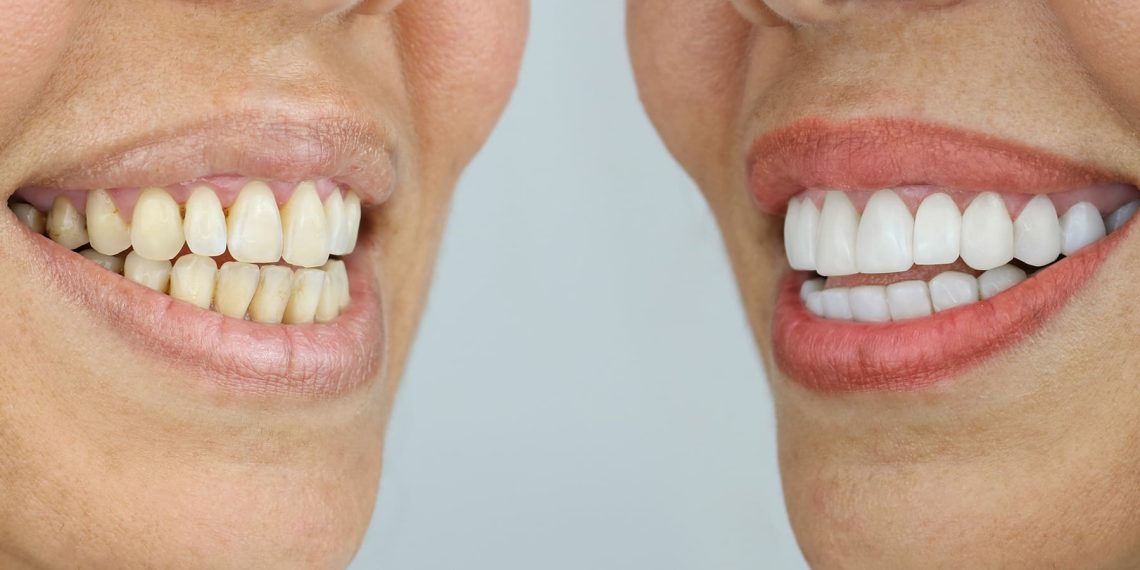
Understanding Full Smile Restoration
Full smile restoration is a comprehensive approach to rebuilding both the function and appearance of a patient’s smile. It is designed for individuals who have multiple dental concerns such as missing teeth, damaged teeth, worn enamel, or cosmetic imperfections. Instead of treating each issue separately over a long period of time, full smile restoration combines multiple treatments into one coordinated plan.
This type of treatment is not only about appearance. It also focuses on restoring proper chewing function, improving oral health, and supporting long-term stability. Modern dental care makes it possible to achieve predictable and natural-looking results using a combination of implants, crowns, and cosmetic procedures.
Practices like Dreamtime Dentistry often use this approach to help patients rebuild confidence in their smiles while improving overall dental health.
The Role of Dental Implants in Smile Restoration
Replacing Missing Teeth
Dental implants are one of the most important components of full smile restoration. They are used to replace missing teeth in a way that closely mimics natural tooth structure. An implant consists of a small post placed in the jawbone, which acts as a replacement for the tooth root. A crown is then attached to restore the visible part of the tooth.
Implants provide a stable and long-lasting foundation for replacement teeth. They do not rely on surrounding teeth for support, which helps preserve natural tooth structure. This makes them a strong and reliable option for patients with one or more missing teeth.
Supporting Jaw Health
When teeth are missing, the jawbone can begin to weaken over time. Dental implants help prevent this by stimulating the bone, similar to a natural tooth root. This support helps maintain facial structure and prevents the sunken appearance that can occur with tooth loss.
At Dreamtime Dentistry, implants are often used as the foundation for full smile restoration cases, helping patients regain both function and stability.
The Importance of Dental Crowns
Restoring Strength and Structure
Dental crowns play a key role in rebuilding damaged or weakened teeth. A crown covers the entire visible portion of a tooth, protecting it from further damage while restoring its shape and strength.
Crowns are often used when a tooth has large fillings, fractures, or significant decay. They allow the tooth to function normally again while preventing further breakdown.
Blending with Natural Teeth
Modern crowns are designed to look natural and blend seamlessly with surrounding teeth. They are shaped and colored to match the patient’s existing smile. This ensures that restored teeth do not stand out and instead contribute to a balanced appearance.
In full smile restoration cases, crowns are often used alongside implants and cosmetic treatments to create a uniform and natural-looking result.
The Role of Cosmetic Dentistry
Enhancing Appearance
Cosmetic dentistry focuses on improving the visual aspects of a smile. This can include treatments such as teeth whitening, veneers, and ceramic restorations. These procedures are often used to correct discoloration, uneven spacing, and minor shape irregularities.
When combined with implants and crowns, cosmetic dentistry helps ensure that the entire smile looks cohesive and attractive.
Creating Balance and Harmony
A successful smile restoration is not just about fixing individual teeth. It is about creating balance across the entire smile. Cosmetic treatments help refine the final result so that teeth are evenly shaped, properly aligned, and visually consistent.
This attention to detail helps produce results that look natural and feel comfortable for the patient.
How Full Smile Restoration Works
Comprehensive Evaluation
The process begins with a full evaluation of the patient’s oral health. The dentist examines the teeth, gums, bite alignment, and jaw structure. Imaging may be used to assess areas that are not visible during a standard examination.
This step is important because it helps create a customized treatment plan. Every patient has different needs, so the approach is tailored to their specific condition and goals.
Step-by-Step Treatment Planning
Once the evaluation is complete, a treatment plan is developed. This plan outlines which procedures are needed and in what order they should be completed. Some patients may require implants first, followed by crowns and cosmetic enhancements. Others may need a combination of treatments performed in stages.
At Dreamtime Dentistry, treatment planning is carefully coordinated to ensure that each step builds toward a final, balanced result.
Restoring Function and Appearance
As treatment progresses, damaged teeth are repaired or replaced, and cosmetic improvements are made. The goal is to restore both function and appearance at the same time. Patients gradually see their smile transform as each stage is completed.
The final result is a fully restored smile that looks natural and functions properly for everyday use.
Benefits of Full Smile Restoration
Improved Oral Health
Restoring damaged or missing teeth helps improve overall oral health. It reduces the risk of further decay, gum issues, and bite problems. By addressing multiple concerns at once, patients can achieve a healthier and more stable mouth.
Better Function and Comfort
Full smile restoration improves chewing ability and speech. Patients can eat a wider variety of foods without discomfort. Restored teeth also help maintain proper bite alignment, which can reduce strain on the jaw.
Enhanced Appearance and Confidence
One of the most noticeable benefits is the improvement in appearance. A complete, healthy smile can significantly boost confidence. Patients often feel more comfortable smiling, speaking, and interacting with others after treatment.
Modern Techniques in Smile Restoration
Advancements in dental care have made full smile restoration more efficient and predictable. Modern tools allow dentists to plan treatments with greater precision and achieve more consistent results.
Same-day restorations, advanced scanning methods, and improved materials all contribute to better outcomes. These advancements reduce treatment time and improve patient comfort.
Ryan Watkins DDS has emphasized the importance of combining clinical precision with a patient-focused approach to achieve long-lasting results in complex restorative cases.
A Patient-Focused Experience
Full smile restoration is a significant process, so patient comfort is a priority. Modern dental practices focus on clear communication, careful planning, and a calm treatment environment.
Dreamtime Dentistry has built its approach around providing comprehensive care in a supportive setting. Patients are guided through each step so they understand what to expect and feel confident in their treatment journey.
Long-Term Results and Maintenance
After full smile restoration is complete, maintaining results is essential. Good oral hygiene, regular dental visits, and healthy habits all help preserve the longevity of the work done.
Implants, crowns, and cosmetic restorations can last many years when properly cared for. Routine check-ups allow the dental team to monitor oral health and make adjustments if needed.
Conclusion
Full smile restoration is a powerful approach that combines implants, crowns, and cosmetic dentistry to rebuild both function and appearance. It is designed for patients who need more than a single treatment and require a comprehensive solution.
By addressing multiple concerns in a coordinated plan, patients can achieve a healthier, more stable, and more attractive smile. Practices like Dreamtime Dentistry use this approach to deliver complete care that improves both oral health and confidence.
With careful planning, modern techniques, and a focus on patient needs, full smile restoration can create life-changing results that last for years.