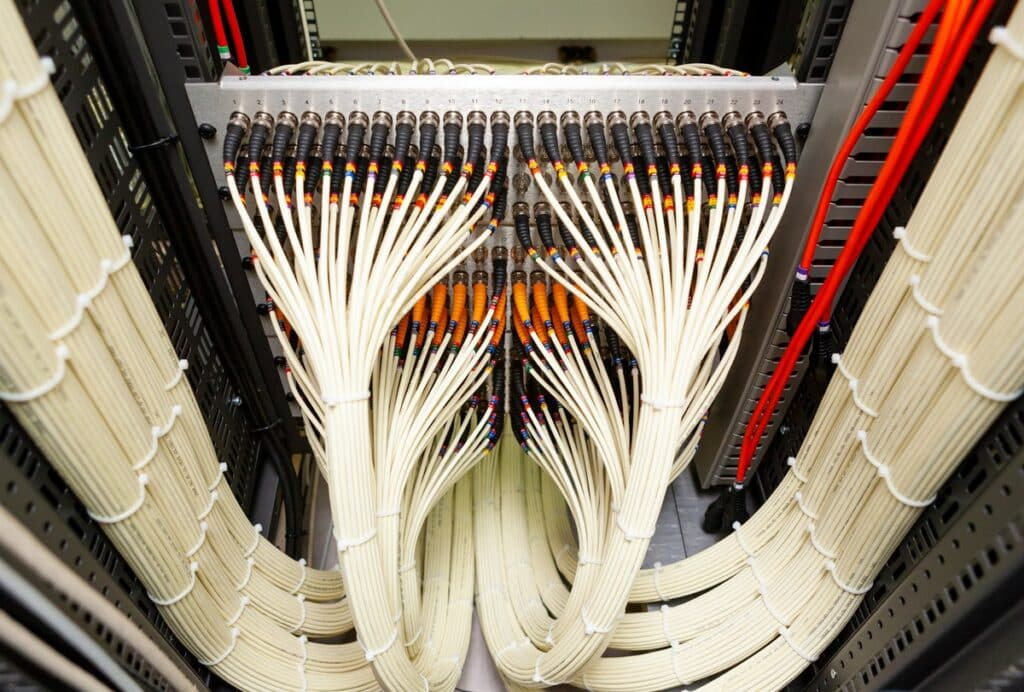
Network cabling is the physical foundation of any wired communication system. It connects devices such as computers, servers, routers, switches, security cameras, and phone systems, allowing them to share data efficiently. In today’s digital world, where fast and stable internet is essential, proper network cabling plays a critical role in ensuring smooth communication and business operations.
One of the most commonly used types of network cabling is Ethernet cabling. Ethernet cables such as Cat5e, Cat6, Cat6a, and Cat7 are designed to transmit data at different speeds and distances. Cat5e is suitable for basic home networks, while Cat6 and Cat6a support higher speeds and reduced interference, making them ideal for offices and commercial environments. Newer cables offer improved bandwidth, allowing for faster data transfer and better network performance.
Fiber optic cabling is another advanced solution used in modern networking systems. Unlike copper cables, fiber optics transmit data using light signals, which allows for extremely fast communication over long distances. Fiber optic cables are widely used in data centers, large enterprises, and internet service providers. They are also more resistant to electromagnetic interference, making them highly reliable for high-performance networks.
Structured cabling systems are an important part of professional network installations. Structured cabling refers to a standardized approach to organizing and installing network cables in a building. This system uses labeled cables, patch panels, and organized pathways to ensure that the network is easy to manage and expand. Structured cabling reduces confusion, simplifies troubleshooting, and supports future upgrades without major rewiring.
Proper installation is essential for maintaining network performance. Professional network cabling technicians carefully plan cable layouts to avoid interference, overheating, and signal loss. They ensure that cables are installed according to safety standards and industry guidelines. Poor installation can lead to slow connections, frequent downtime, and costly repairs.
Cable management is another critical aspect of network cabling. Organized cables improve airflow, reduce physical damage, and make maintenance easier. Tools such as cable trays, ties, and racks are used to keep cables neat and accessible. Proper labeling also helps technicians quickly identify connections when troubleshooting or upgrading the system.
Network cabling supports a wide range of technologies used in homes and businesses. These include internet connectivity, VoIP phone systems, video conferencing tools, security camera systems, and smart building automation. A strong wired network ensures that these systems operate smoothly without interruptions or delays.
Security is another important benefit of wired network cabling. Compared to wireless connections, wired networks are more difficult to access without physical connection, reducing the risk of unauthorized interference. This makes network cabling especially important for businesses that handle sensitive data, such as banks, hospitals, and government organizations.
Regular maintenance of network cabling systems helps ensure long-term reliability. Over time, cables can become damaged due to environmental factors, wear and tear, or poor handling. Routine inspections help identify issues early, preventing network failures and downtime. Upgrading outdated cables can also significantly improve speed and efficiency as technology continues to advance.
Scalability is another advantage of well-designed network cabling systems. As businesses grow, they often need to add more devices, users, and services. A structured cabling system makes it easier to expand the network without major disruptions. This flexibility is essential for companies that plan for long-term growth.
In conclusion, network cabling is the backbone of modern communication systems. From Ethernet and fiber optic cables to structured installations and cable management, every component plays an important role in ensuring fast, secure, and reliable connectivity. Whether in homes, offices, or large enterprises, a well-designed network cabling system supports efficiency, productivity, and future technological growth.