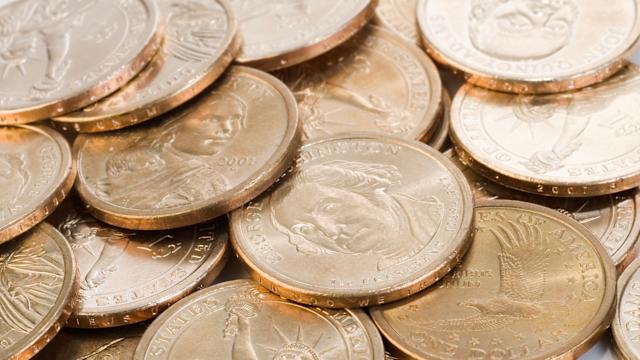
Most people in West Columbia, TX, handle coins every day without giving them a second thought. Pocket change, coin jars, and cash transactions all seem ordinary. However, what many people do not realize is that rare U.S. coins still appear in circulation today. These coins can pass through hands unnoticed simply because most people do not know what to look for.
The American Rare Coin Collectors Association often reminds collectors that some of the most valuable discoveries are made not in auctions or collections, but in everyday change. With a little knowledge and attention, anyone can learn how to spot these hidden treasures.
Why Rare Coins Still Appear in Circulation
It may seem surprising that rare coins still show up in everyday use, but there are several reasons this happens.
Old Collections Enter the Market
Many rare coins come from old collections that are later spent, sold, or inherited. When families are unaware of a coin’s value, it may end up back in circulation.
Accidental Spending
Some people simply do not recognize what they have. A rare coin can look similar to a common one, especially if it is worn. These coins can accidentally be used in everyday transactions.
Coin Roll Hunting and Circulation Mixing
Banks and businesses constantly circulate large amounts of coins. Rare coins can sometimes slip into these systems and reappear in pocket change across the country, including places like West Columbia, TX.
The Most Common Rare Coins Still Found Today
While truly rare coins are not common, several types still appear in circulation from time to time. Knowing what they look like can help you identify them quickly.
Wheat Pennies (1909–1958)
Wheat pennies are one of the most commonly overlooked coins still found in circulation. These pennies feature wheat stalks on the reverse side instead of the modern Lincoln Memorial.
Some wheat pennies, especially key dates like the 1909-S VDB or 1914-D, can be worth significant amounts. Even common wheat pennies are worth more than face value in many cases.
Silver Roosevelt Dimes (Pre-1965)
Dimes minted before 1965 contain 90 percent silver. While many have been removed from circulation, they still appear occasionally.
These coins are easy to miss because they look similar to modern dimes. The key difference is the silver content, which gives them a distinct sound and appearance when compared to newer coins.
Silver Washington Quarters (Pre-1965)
Like silver dimes, quarters made before 1965 also contain silver. These coins are often found in old coin jars or mixed rolls from banks.
Although many have been pulled from circulation, they still appear from time to time, especially in older regions or collections that re-enter circulation.
Buffalo Nickels (1913–1938)
Buffalo nickels are still occasionally found in circulation, although they are rare. These coins feature a Native American profile on one side and a buffalo on the other.
Some Buffalo nickels, especially those with clear dates and mint marks, can be valuable. Many worn examples still carry collector interest.
Silver Kennedy Half Dollars (1964)
The 1964 Kennedy half dollar is made of 90 percent silver. While half dollars are not commonly used today, they still appear in bank rolls or old collections.
These coins are highly recognizable once you know what to look for and are often kept by collectors when discovered.
Key Features That Help Identify Rare Coins
Spotting rare coins requires attention to detail. Even small differences can indicate value.
Check the Date First
The date is the most important factor in identifying a rare coin. Many valuable coins are tied to specific years of low production or historical significance.
For example, any coin dated before 1965 in certain denominations may contain silver, while earlier coins may be part of limited mintage runs.
Look for Mint Marks
Mint marks show where a coin was produced. Common marks include “D” for Denver and “S” for San Francisco. Some mint locations produced fewer coins, making those versions more valuable.
A small letter on a coin can dramatically change its value.
Examine the Metal Color
Older silver coins often have a different tone compared to modern coins. Silver coins tend to have a softer, duller shine, while modern coins are brighter and more reflective due to different metal compositions.
Listen to the Sound
Silver coins produce a distinct ringing sound when dropped or tapped lightly compared to modern coins. This is a simple trick many collectors use when sorting through change.
Mistakes People Make When Spotting Rare Coins
Even when people find unusual coins, they often make mistakes that reduce their value or cause them to overlook important details.
Cleaning Coins
One of the biggest mistakes is cleaning coins. Cleaning can remove natural surfaces and reduce collector value. Even dirty or worn coins are often more valuable in original condition.
Ignoring Small Details
Many valuable coins are overlooked because people do not notice small differences. A missing mint mark, unusual date, or subtle design variation can be the key to identifying a rare coin.
Assuming Old Means Valuable
Not all old coins are valuable. Some are common and widely circulated. Understanding rarity and demand is just as important as age.
Where Rare Coins Are Most Likely to Be Found
Rare coins do not appear randomly everywhere, but there are certain places where they are more likely to show up.
Coin Rolls from Banks
Searching through coin rolls from banks is a popular method among collectors. Rare coins occasionally appear in these rolls due to circulation mixing.
Estate Collections
Estate sales and inherited collections often contain overlooked coins. Families may unknowingly spend or deposit coins that have value.
Pocket Change
Although less common today, rare coins still appear in everyday transactions. Checking your change regularly is one of the simplest ways to find them.
How to Handle Coins You Think Are Rare
If you believe you have found a rare coin, handling it correctly is important.
Handle With Care
Always hold coins by the edges. Avoid touching the surface to prevent damage from oils or dirt.
Store Properly
Use coin holders or soft protective sleeves. Proper storage helps maintain condition until the coin can be evaluated.
Get a Professional Opinion
When in doubt, consult an expert. The American Rare Coin Collectors Association helps collectors identify and evaluate coins accurately. Their experience can confirm whether a coin is common or truly rare.
The Role of Knowledge in Finding Rare Coins
Knowledge is the most important tool for any collector. The more you learn about coins, the easier it becomes to recognize valuable pieces in circulation.
Many collectors in West Columbia, TX, begin by learning basic coin features, then gradually develop the ability to spot rare coins quickly. Over time, this knowledge turns everyday change into an opportunity for discovery.
The American Rare Coin Collectors Association often emphasizes education as the foundation of successful collecting. Understanding history, minting practices, and coin composition makes it easier to identify rare finds.
Conclusion
Rare U.S. coins still appear in circulation today, often hiding in plain sight. Wheat pennies, silver dimes, silver quarters, Buffalo nickels, and Kennedy half dollars are just a few examples of coins that can still be found in everyday change.
By paying attention to dates, mint marks, metal content, and condition, anyone can learn to identify these hidden treasures. Avoiding common mistakes and seeking expert advice when needed ensures that valuable coins are not overlooked.
For collectors in West Columbia, TX, staying alert and informed can turn ordinary transactions into exciting discoveries. With guidance from trusted resources like the American Rare Coin Collectors Association, even everyday pocket change can reveal pieces of American history worth far more than their face value.