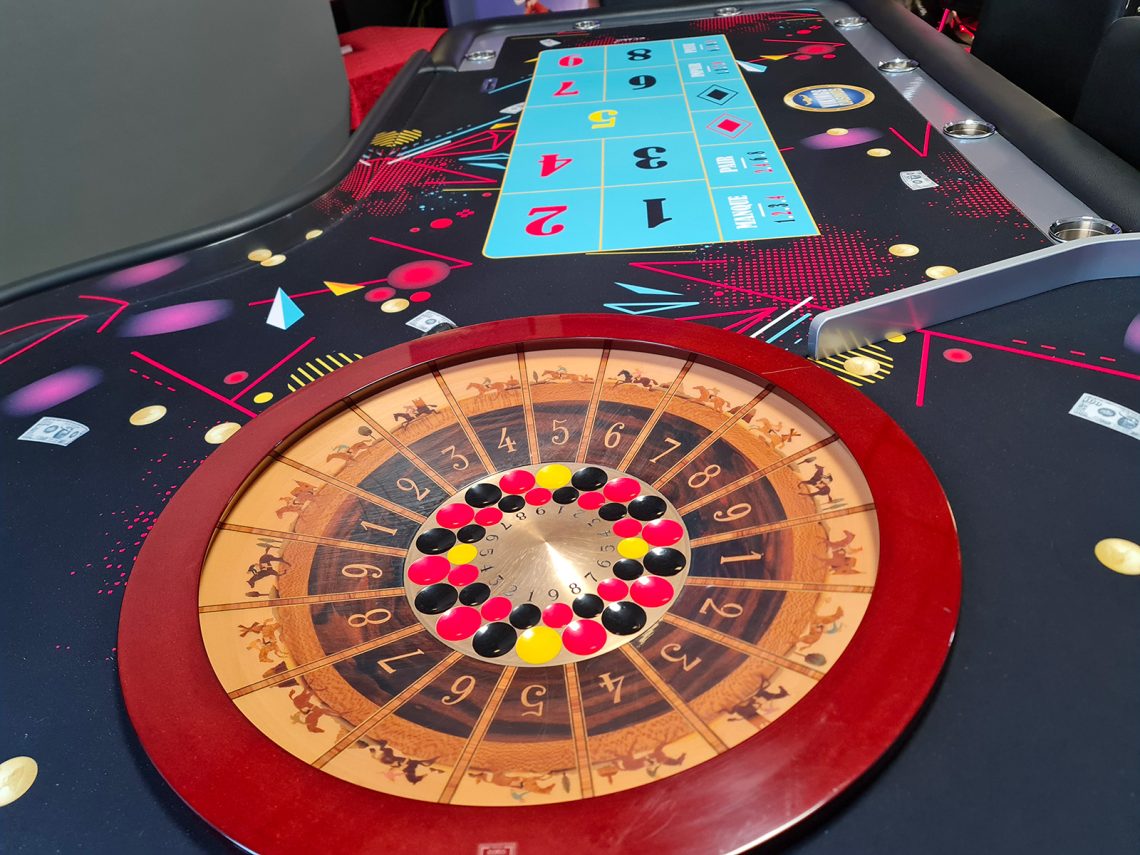
Understanding player psychology is central to how a slot game is designed and how it keeps users engaged over time. While the mechanics are simple, the emotional and cognitive responses behind gameplay are complex and carefully considered in modern development.
One of the most important psychological drivers in a slot game is anticipation. Each spin creates a short period of uncertainty, and this waiting phase activates strong emotional engagement. The brain reacts not only to wins, but also to the expectation of a possible outcome, which keeps attention focused on the game.
Another key factor is reward variability. A slot game does not provide consistent outcomes; instead, wins occur unpredictably. This randomness creates a cycle of hope and surprise, which is one of the main reasons players remain engaged over multiple sessions.
The concept of “losses disguised as near wins” also influences player behavior. In a slot game, when symbols almost align for a payout, players often perceive it as being close to success. Even though the result is a loss, the emotional response can still encourage continued play.
Short feedback loops are another important design element. A slot game typically resolves each spin within seconds, allowing players to quickly move from action to result. This rapid cycle of decision and feedback helps maintain engagement and reduces downtime between events.
Dopamine response plays a significant role in slot engagement. The brain releases dopamine during both wins and anticipation phases, reinforcing the desire to continue playing. This chemical response is not tied only to large rewards, but also to small and frequent stimuli within the slot experience.
Visual and audio reinforcement further strengthens psychological engagement. A slot game uses animations, flashing lights, and celebratory sounds to amplify the emotional impact of wins. These sensory cues make outcomes feel more meaningful than they statistically are.
Routine formation is another behavioral pattern often seen in slot gaming. Because the game structure is simple and repetitive, players can easily develop habitual play patterns. This repetition contributes to long-term engagement cycles within slot platforms.
Variable pacing also influences psychology. A slot game may alternate between fast spins and slower bonus sequences. This variation prevents monotony and helps maintain attention over longer periods of play.
Cognitive biases such as the illusion of control can also affect how players interact with a slot game. Even though outcomes are random, some players believe timing or betting changes can influence results, which increases engagement.
Breakpoints in gameplay, such as bonus rounds or free spin features, act as emotional peaks. These moments in a slot game interrupt regular cycles and provide heightened excitement, reinforcing the overall experience.
In conclusion, player psychology is deeply embedded in the structure of a slot game. Through anticipation, reward variability, sensory feedback, and engagement cycles, developers create experiences that are highly engaging while still based on simple random mechanics.