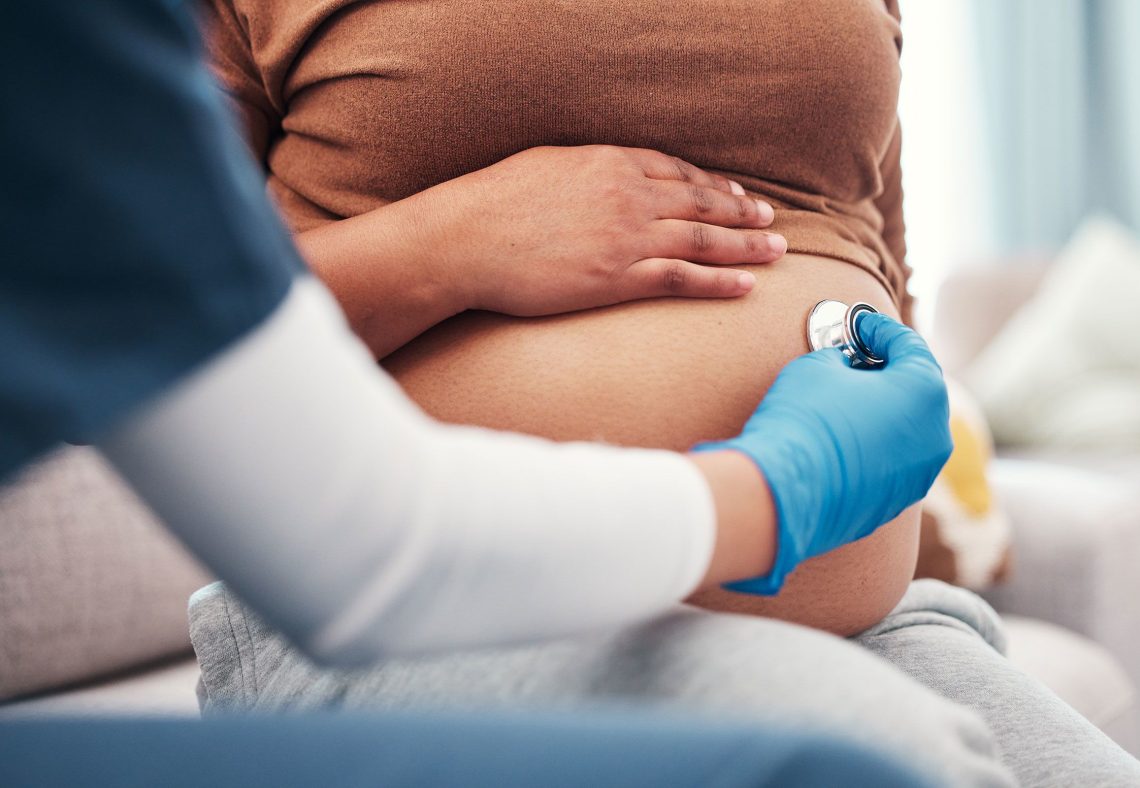
There are few moments in healthcare that are as joyful as welcoming a new baby into the world. It is a time filled with excitement, anticipation, and hope for the future. Yet behind those happy moments lies a reality that deserves far more attention than it receives. Too many women in the United States still experience serious complications during pregnancy, childbirth, and the weeks that follow. Even more concerning, too many mothers lose their lives from conditions that are often preventable.
For a country with some of the most advanced medical technology in the world, the United States continues to struggle with maternal mortality. According to the Centers for Disease Control and Prevention (CDC), more than 80% of pregnancy-related deaths are considered preventable. That statistic alone should prompt an important question. If so many of these tragedies can be prevented, what needs to change?
The answer is not as simple as inventing a new treatment or buying better equipment. Improving maternal health requires earlier intervention, stronger communication, better education, and a healthcare system that continues caring for women long after they leave the delivery room.
Maternal Health Is About Much More Than Labor
Many people think of pregnancy as a journey that ends with childbirth. In reality, labor is only one chapter of a much longer story.
A woman’s health before pregnancy, the quality of her prenatal care, and the support she receives after delivery all influence her outcome. Conditions such as high blood pressure, diabetes, heart disease, and obesity can increase the likelihood of pregnancy complications, particularly if they are not identified and managed early.
The CDC reports that cardiovascular conditions remain one of the leading causes of pregnancy-related deaths in the United States. Hypertensive disorders, including preeclampsia, continue to affect thousands of pregnancies every year, while postpartum hemorrhage remains one of the leading causes of severe maternal illness.
These conditions are well known within obstetrics. The challenge is not recognizing that they exist. The challenge is identifying them early enough to prevent them from becoming emergencies.
Small Symptoms Can Become Big Problems
One of the most frustrating things about maternal complications is that they rarely announce themselves dramatically in the beginning.
A woman may notice a headache that feels different than usual. She may develop swelling that seems a little worse than expected. She may experience shortness of breath, vision changes, or persistent abdominal pain.
Individually, these symptoms can appear harmless. Together, they may be early warning signs that something much more serious is developing.
One obstetrician described a patient who casually mentioned at the end of an appointment that she had been waking up with severe headaches for several days. Her blood pressure had only recently begun to rise, but further evaluation revealed early preeclampsia. Because the symptom was mentioned before it progressed further, treatment began immediately, and both mother and baby did well.
Stories like this happen every day. They are also reminders that prevention often depends on conversations that last only a few minutes.
Why Communication Can Save Lives
Medicine is often associated with advanced technology, sophisticated imaging, and complex laboratory testing. Those tools are incredibly valuable, but one of the most effective ways to improve maternal outcomes costs nothing.
It starts with listening.
Patients need to feel comfortable describing symptoms, asking questions, and speaking honestly about concerns that may seem minor. At the same time, healthcare providers need to create an environment where those conversations are encouraged instead of rushed.
As Dr. Janice Crowder, OBGYN, explains, “Some of the most important moments in my career have happened after I thought the appointment was over. A patient will reach for the doorknob, pause, and then say, ‘There’s one more thing I forgot to mention.’ More than once, that final question has completely changed what happened next. Those moments remind me that creating enough time for patients to speak freely is every bit as important as reviewing a chart.”
That type of communication builds trust, and trust often leads to earlier intervention.
The Postpartum Period Deserves Far More Attention
Many people assume the greatest risks disappear once the baby is born.
The reality is very different.
The CDC has found that pregnancy-related deaths occur throughout pregnancy and the postpartum period, with a substantial number occurring weeks or even months after delivery. Women continue recovering physically while adjusting emotionally to caring for a newborn, and many serious complications can develop after they have already gone home.
Unfortunately, this is also when many mothers begin placing everyone else’s needs ahead of their own.
A physician recently recalled a patient who delayed calling the office because she believed her fatigue and headaches were simply part of caring for a newborn. She later required treatment for postpartum hypertension. Looking back, she admitted she had ignored her own symptoms because she did not want to seem overly concerned.
That experience is not unusual.
New mothers are remarkably resilient, but resilience should never require someone to ignore symptoms that deserve medical attention.
Why Disparities Continue to Exist
Maternal mortality does not affect every community equally.
Black women continue to experience significantly higher rates of pregnancy-related complications and maternal mortality than women in other racial and ethnic groups. Research has shown that these disparities persist across income and education levels, making it clear that the issue extends beyond access to healthcare alone.
Addressing these differences requires a combination of earlier prenatal care, stronger patient-provider communication, community support, and healthcare systems that actively work to reduce barriers to quality care.
Progress will require honest conversations as well as practical solutions.
Practical Steps That Can Improve Maternal Outcomes
While maternal mortality is a complex issue, there are meaningful actions that can improve outcomes for women and families.
Women planning a pregnancy should schedule a preconception visit to review their overall health, medications, and any chronic medical conditions. Identifying potential risks before pregnancy creates opportunities to address them early.
Prenatal care should begin as soon as pregnancy is confirmed. Regular appointments allow healthcare providers to monitor blood pressure, identify complications, and educate patients about warning signs before problems become severe.
Healthcare providers should encourage patients to ask questions and report symptoms without hesitation. Headaches, swelling, chest pain, heavy bleeding, decreased fetal movement, and shortness of breath should always be discussed promptly.
Postpartum care should extend beyond a single follow-up appointment. Continued communication during the weeks after delivery helps identify complications while mothers are still recovering.
Finally, improving maternal health requires collaboration between physicians, hospitals, public health organizations, and communities. No single intervention will solve the problem, but many small improvements working together can make a significant difference.
Every Healthy Mother Strengthens a Family
Improving maternal health is about far more than reducing statistics. Every mother who receives timely care, every complication identified early, and every life saved strengthen an entire family.
The encouraging news is that many of the tools needed to improve maternal outcomes already exist. Physicians understand the leading causes of pregnancy-related complications. Healthcare systems continue developing better safety protocols. Researchers continue identifying opportunities to improve care.
The next step is making sure every woman benefits from that knowledge.
When healthcare focuses on prevention, open communication, and continued support before, during, and after pregnancy, maternal mortality becomes more than a public health challenge. It becomes a problem we are actively working to solve, one conversation and one healthy pregnancy at a time.