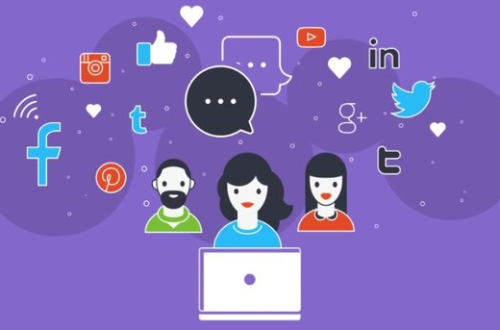
In today’s fast-paced, hyper-connected world, digital marketing has become a critical component of any successful business strategy. From startups to multinational corporations, organizations are increasingly relying on digital channels to reach their target audiences, build brand awareness, and drive sales. But what exactly is digital marketing, and why is it so essential in the modern era?
What is Digital Marketing?
Digital marketing refers to the use of digital technologies and online platforms to promote products and services. This includes a wide range of strategies and tools such as search engine optimization (SEO), content marketing, social media marketing, email campaigns, pay-per-click advertising (PPC), influencer collaborations, and more.
Unlike traditional marketing, which relies heavily on physical media such as print ads or billboards, digital marketing allows businesses to engage directly with their audiences in real-time, track performance metrics, and adjust strategies dynamically.
The Rise of Digital Marketing
The rapid growth of the internet and mobile technology has fundamentally changed how consumers interact with brands. Today, more than 5 billion people use the internet, and over 4.7 billion are active on social media. With such staggering numbers, digital marketing is no longer optional — it’s a necessity.
Consumers now expect brands to have an online presence. They search for product reviews on Google, follow their favorite companies on Instagram, and sign up for email newsletters to get special offers. If a business isn’t online, it’s likely missing out on a significant portion of potential customers.
Key Components of Digital Marketing
- Search Engine Optimization (SEO)
SEO is the practice of optimizing a website to rank higher in search engine results. By targeting relevant keywords, improving website speed, creating high-quality content, and building backlinks, businesses can increase their organic visibility and attract more traffic without paying for ads. - Content Marketing
Content is king in digital marketing. Whether it’s blog posts, videos, podcasts, or infographics, valuable and relevant content helps engage the audience, establish authority, and boost SEO rankings. It’s about telling a story that resonates with the target market. - Social Media Marketing
Platforms like Facebook, Instagram, LinkedIn, and TikTok are powerful tools for brand engagement. With billions of users scrolling daily, social media allows businesses to connect with their audience on a personal level, run targeted ads, and monitor engagement through likes, shares, and comments. - Email Marketing
Despite being one of the oldest digital marketing channels, email marketing remains highly effective. Personalized email campaigns can nurture leads, inform customers about new products or promotions, and build long-term loyalty. - Pay-Per-Click (PPC) Advertising
PPC campaigns, such as Google Ads or Facebook Ads, allow businesses to display ads to targeted users and only pay when someone clicks. These campaigns can provide immediate traffic and are ideal for time-sensitive promotions or product launches. - Affiliate and Influencer Marketing
Collaborating with influencers or affiliate marketers helps businesses tap into established audiences. This type of marketing often results in higher engagement and trust, as consumers are more likely to trust recommendations from individuals they follow.
Benefits of Digital Marketing
- Cost-Effective: Compared to traditional marketing, digital strategies offer better ROI and lower costs.
- Measurable Results: With tools like Google Analytics and Meta Business Suite, marketers can track performance in real-time.
- Targeted Advertising: Advanced targeting options allow businesses to reach specific demographics, interests, and behaviors.
- Global Reach: Digital marketing breaks geographical barriers, enabling companies to go global with ease.
- Customer Engagement: Brands can interact with their customers through comments, messages, surveys, and live events.
Challenges in Digital Marketing
Despite its advantages, digital marketing also comes with challenges. The digital landscape is constantly evolving, requiring businesses to stay updated with the latest trends and technologies. There’s also fierce competition online, making it difficult for smaller businesses to stand out.
Additionally, privacy concerns and data regulations (like GDPR) mean marketers must be cautious about how they collect and use customer data.
Future Trends in Digital Marketing
As technology continues to evolve, so too will digital marketing. Some key trends to watch include:
- Artificial Intelligence (AI) for personalized customer experiences.
- Voice Search Optimization as smart speakers become more common.
- Video Marketing, especially short-form content like YouTube Shorts or Instagram Reels.
- Augmented Reality (AR) for immersive shopping experiences.
- Sustainability Messaging, as more consumers prefer brands that align with their values.
Conclusion
Digital marketing is more than just a trend — it’s the future of business communication. With the right strategy, tools, and creative vision, companies can reach their ideal customers, grow their brand, and thrive in a competitive market. In an age where digital presence often determines business success, investing in digital marketing is not just smart — it’s essential.