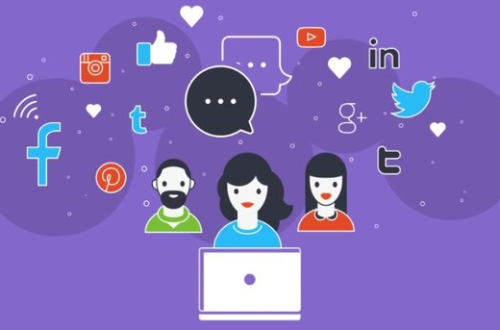
Social media has transformed the way people communicate, share information, and connect with the world. Since its inception, it has evolved from a mere digital pastime to an integral part of daily life, business, politics, and culture. In this article, we explore the journey, influence, and future potential of social media.
The Rise of Social Media
The early 2000s marked the beginning of what we now call social media. Platforms like Friendster and MySpace paved the way for the social networking boom. However, it was Facebook, launched in 2004, that truly revolutionized the digital social experience. It introduced a user-friendly interface, real-name policy, and a wide range of interactive features that soon made it a global phenomenon.
Following Facebook’s success, other platforms such as Twitter, Instagram, LinkedIn, Snapchat, and TikTok entered the scene, each offering unique ways for users to engage. From 140-character tweets to short-form video content, social media diversified rapidly, catering to different demographics and preferences.
How Social Media Changed Communication
One of the most profound impacts of social media is its transformation of communication. People can now connect instantly with friends, family, and strangers across the globe. Messaging apps, video calls, and live streaming allow real-time interaction, eliminating geographical barriers.
Social media also altered language. Emojis, hashtags, abbreviations, and memes have become integral to modern communication. These platforms have given rise to new cultural expressions, inside jokes, and even digital dialects.
Influence on Business and Marketing
In the world of business, social media is a powerful tool. Companies use platforms like Instagram and TikTok for branding, while Twitter and LinkedIn help with customer service and professional networking. Influencer marketing—where individuals with large followings promote products—has become a multi-billion dollar industry.
Social media advertising allows businesses to reach targeted audiences with precision. With analytics and insights, marketers can track engagement, conversion rates, and customer behavior, making social media an essential component of digital marketing strategies.
Political and Social Movements
Social media has become a significant force in politics and activism. Hashtags like #BlackLivesMatter and #MeToo have mobilized millions and brought attention to critical issues. Activists use platforms to organize protests, share real-time updates, and build global solidarity.
However, this power comes with challenges. Misinformation and fake news can spread rapidly, influencing public opinion and even elections. Governments and tech companies now face the complex task of balancing free expression with the need to prevent harmful content.
The Psychological Effects
While social media connects people, it also has psychological implications. Studies show that excessive use can lead to anxiety, depression, and feelings of inadequacy, especially among teenagers. The constant comparison to others’ curated lives can impact self-esteem.
On the flip side, social media can provide support systems, especially for those who feel isolated. Online communities allow people with shared interests or challenges to connect, offering a sense of belonging.
Privacy Concerns
With the convenience of social media comes a cost—privacy. Users often share personal information without realizing the extent to which it can be collected, analyzed, and sold. Data breaches and surveillance issues have sparked debates on digital rights and ethics.
Tech giants like Facebook and Google have faced scrutiny for their data handling practices. As awareness grows, users and regulators are demanding more transparency and control over personal data.
The Future of Social Media
The future of social media is likely to be shaped by emerging technologies like augmented reality (AR), virtual reality (VR), and artificial intelligence (AI). Platforms may become more immersive, allowing users to interact in virtual spaces or through holograms.
Additionally, the push for decentralized social media—platforms not controlled by single corporations—is gaining traction. These networks aim to give users more autonomy and reduce censorship and data misuse.
As Generation Z and upcoming generations grow up in a fully digital world, social media will continue to evolve. Trends suggest a shift toward authenticity, privacy, and mental health awareness, leading to platforms that promote healthier online habits.
Conclusion
Social media is more than just a trend; it is a fundamental part of modern life. Its influence spans communication, commerce, politics, and culture. While it offers countless opportunities, it also presents significant challenges that society must address. As we look to the future, the key will be finding a balance between innovation and responsibility—ensuring social media continues to serve as a force for connection, creativity, and positive change.