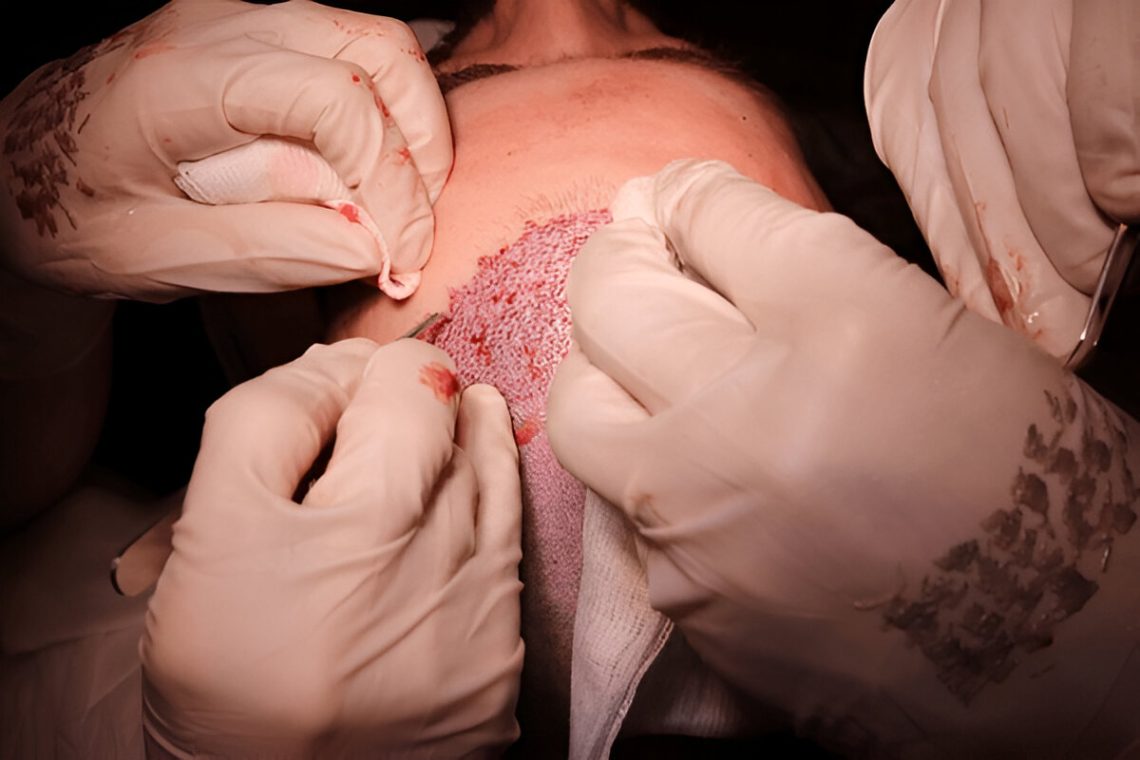
Hair loss is a common concern for men, and many seek solutions to regain their hair and boost their confidence. Hair Transplant London and hair transplant UK clinics have become increasingly popular, offering advanced procedures to address male pattern baldness and thinning hair. If you’re considering a hair transplant, it’s essential to understand the procedure, the cost, and what you can expect throughout the process. Here’s everything you need to know about hair transplants for men in the UK.
What is a Hair Transplant?
A hair transplant is a surgical procedure that involves moving healthy hair follicles from one part of the scalp (usually the back or sides) to an area where hair is thinning or missing. The goal is to restore hair in the regions that have experienced hair loss, creating a fuller, more natural-looking hairline.
There are two primary methods used in hair transplant surgery: FUT (Follicular Unit Transplantation) and FUE (Follicular Unit Extraction). Both techniques are effective, but each has its unique advantages.
Choosing the Right Hair Transplant Method
When considering a London hair transplant, it’s essential to understand the difference between FUT and FUE.
FUT involves removing a strip of skin from the donor area, which is then dissected into individual hair follicles before being transplanted. This method typically requires stitches and leaves a linear scar. It’s ideal for men who need a larger number of grafts.
On the other hand, FUE is less invasive. It involves extracting individual hair follicles from the donor area using a small punch tool. This method leaves tiny, dot-like scars that are less noticeable and allows for quicker recovery. FUE is often preferred for men who want a more discreet procedure with minimal scarring.
Your surgeon will help you determine which method is best based on your hair loss, scalp condition, and desired results.
The Hair Transplant Process
When you visit a hair transplant UK clinic, the process starts with a consultation. During this session, the surgeon will assess your hair loss pattern, check the quality of your donor’s hair, and discuss your goals. Based on this assessment, the surgeon will suggest the most appropriate treatment plan.
The procedure typically begins with local anesthesia, numbing the donor and recipient areas to ensure you feel no pain. Once you’re numb, the surgeon will extract hair follicles from the donor area, either using the FUE or FUT technique. After harvesting the follicles, they will be carefully implanted into the bald or thinning areas.
The procedure can take several hours, depending on the number of grafts needed, and most patients can return home the same day. The recovery period is relatively short, especially with FUE, but you may experience some swelling, redness, or scabbing in the transplant areas during the first few days.
Hair Transplant Cost in the UK
One of the most important considerations when thinking about a hair transplant in the UK is the hair transplant cost. The price of a hair transplant can vary depending on several factors, including the clinic’s reputation, the method used, and the number of grafts required.
On average, the cost of a London hair transplant can range from £3,000 to £10,000. FUE tends to be more expensive due to the precision required and the time involved in extracting individual follicles. FUT, while potentially less costly, may be preferred by individuals needing a larger number of grafts.
While the upfront cost can seem high, it’s essential to view the hair transplant as a long-term investment in both your appearance and confidence. Unlike temporary solutions such as medications or hairpieces, a hair transplant offers permanent results.
What to Expect After the Procedure
After your hair transplant procedure, you’ll need to follow your surgeon’s aftercare instructions to ensure optimal results. In the days following the transplant, you’ll need to avoid activities that could disrupt the transplanted follicles, such as strenuous exercise and direct sun exposure.
The transplanted hair will shed during the first few weeks, which is entirely normal. New hair will start to grow in about 3 to 4 months, but it can take up to 12 months for the full results to become visible. During this period, you should avoid washing your hair too vigorously and refrain from using harsh hair products.
Most men return to normal activities within a week or two, though full recovery can take several months. It’s essential to have realistic expectations and be patient as you wait for your hair to grow.
Risks and Considerations
Like any surgical procedure, hair transplants come with some risks. These include infection, scarring, and uneven results. However, these risks can be minimized by choosing an experienced surgeon and following post-operative care instructions carefully.
It’s also important to understand that hair transplants may not work for everyone. Men with extensive hair loss or those who lack sufficient donor hair may not be ideal candidates for the procedure. Your surgeon will assess your suitability and provide you with a personalized treatment plan.
Are Hair Transplants Right for You?
A hair transplant in the UK can be an effective solution for many men experiencing hair loss. Whether you’re dealing with male pattern baldness or thinning hair, a transplant can restore your hairline and boost your confidence. However, it’s essential to be fully informed about the procedure, its cost, and the recovery process before making your decision.
If you’re considering a London hair transplant, the first step is to schedule a consultation with a qualified surgeon who can guide you through the process. With the correct information and a skilled surgeon, you can achieve natural-looking, long-lasting results that enhance your appearance and self-esteem.
Conclusion
Hair transplants offer an effective solution for men who want to address hair loss and restore a full head of hair. Understanding the procedure, the cost, and what to expect after the surgery will help you make the best decision. With advancements in technology and techniques, hair transplant UK clinics can offer high-quality results that stand the test of time.